Need termite treatment in Bothell?
Tell us what you are seeing. Request an estimate, or Request a callback to check provider availability. There is no obligation to hire anyone.
No obligation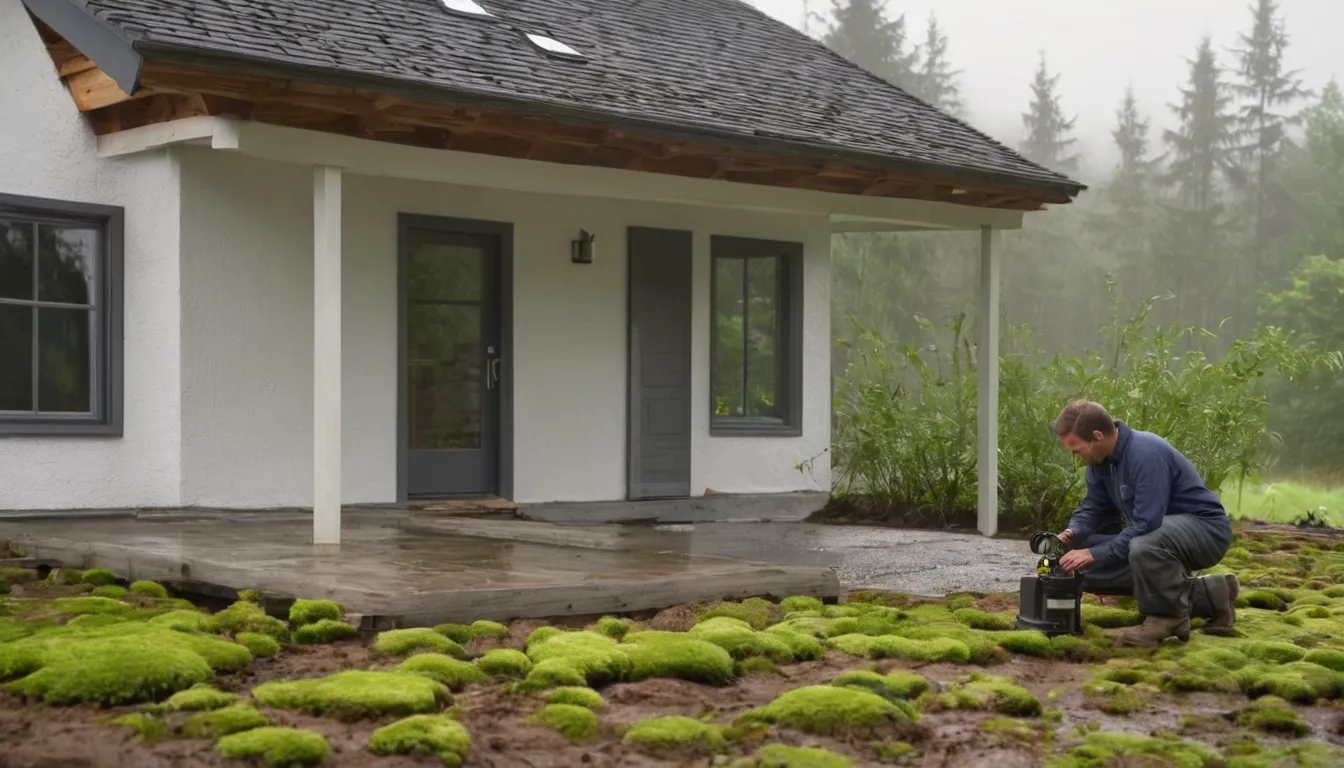
Request a termite estimate
Termites work quietly. You may not see them for months. Often the first hint is small: a thin mud line on a foundation wall, or a pile of tiny wings on a windowsill. That is a good time to look closer.
Openpushing Pest Control is a referral service. We do not treat homes. We help you connect with an independent provider in our network who serves the Bothell area. You can request an estimate, compare approaches, and take your time. Wet weather and wood-frame homes make termites a common worry here, so you are not alone in asking.
Maybe you found a few wings by a window. Maybe a baseboard looks a bit wavy. Take a breath. You are not too late, and you do not have to decide anything today.
The next step is simple. A local provider looks at the spot and tells you what is going on. If you are searching for an exterminator near me, this is the kind of visit to ask about.
Termites eat wood from the inside. They do it slowly, but they do it all day. A small colony can grow into a bigger one over time, and the repair bill grows with it.
Acting early usually means a smaller treatment area and less wood to replace. That is the whole idea behind small signs, early.
Here are the clues homeowners notice most. One sign alone does not prove termites. Two or three together deserve a closer look.
These are pencil-thin tunnels of dirt on foundation walls, piers, or crawl space beams. Termites use them as covered paths. Break one open gently. If it is rebuilt later, something may be active.
Winged termites leave their wings behind after a short flight. Look near doors, windows, and light fixtures. Small, even-sized wings in a little pile are worth a photo.
Tap a baseboard or door frame with a screwdriver handle. A papery or hollow sound can mean the inside has been eaten. The surface often still looks fine.
Paint that ripples, or a door that suddenly sticks, can come from moisture or from termites. A provider can tell the difference. Either answer helps you.
Long wet seasons keep soil and crawl spaces damp. Termites like that. Older craftsman houses often have wood close to the ground, and newer townhomes can have hidden gaps around pipes and slabs. Neither is a flaw in you or your home. It is just worth watching.
Providers talk about three main kinds. Knowing which one you have shapes the plan.
These live in the soil and travel up through mud tubes. They are the most common kind in much of the country. Treatment usually works around the soil near the foundation.
These live inside the wood itself, with no soil contact. Look for tiny, hard pellets that resemble sand near infested wood. Treatment may be targeted or may cover the whole structure.
These prefer wet, rotting wood. Fixing leaks and drainage is often part of the plan, along with treatment.
It starts with an inspection. The provider checks the crawl space, the foundation, the attic, and any wood that touches soil. Then they explain what they found and what they suggest.
A liquid barrier is applied in the soil around the home. Bait stations sit in the ground and are checked over time. Spot treatments go straight into a small trouble area. Each fits different homes, so ask why a provider picked theirs.
Buying or selling? Many lenders and buyers ask for a written termite report. Ask the provider for the report format your agent or lender expects. Finding a small issue before listing gives you time to handle it calmly.
You can request more than one estimate. This is normal, and good providers expect it. Lay the written quotes side by side and look at the details, not only the total.
Treatment is not the end of the story. Ask when the next check should happen. Keep soil away from siding, fix leaks, and move firewood off the ground. Store wood and cardboard away from the house.
Some policies may cover sudden damage, but many do not cover termites, so check your policy. Providers can often help document damage for a claim.
If you would rather talk it through, Request a callback to check provider availability. Otherwise the request form works fine. Take your time.
A provider checks the foundation, crawl space, attic, and wood near soil, then explains what they find.
You receive a clear quote to compare with others, with no obligation to hire.
Liquid barriers, bait stations, or spot treatment, matched to the termite type and your home.
Many providers offer later visits to confirm the treatment is working and nothing has returned.
Prices vary a lot by home size, termite type, and access. These are typical U.S. ranges only. Always ask for a written quote before you agree to any work.
| Item | Typical range | Notes |
|---|---|---|
| Termite inspection | $50 – $300 | Some providers apply it toward treatment |
| Spot treatment | $250 – $900 | For a small, confined area |
| Liquid soil barrier | $1,200 – $3,000 | Depends on foundation length |
| Bait station system | $1,500 – $3,500 | Often includes monitoring visits |
| Whole-structure fumigation | $2,000 – $8,000 | Mostly for drywood termites |
| Wood repair after damage | $300 – $3,000+ | Varies with how much wood is affected |
Jot down where you saw wings, mud tubes, or soft wood. Take a few photos.
Use the form to share your details and we connect you with a local provider.
Look at methods, follow-up visits, and written terms, not just the total price.
Pick the plan that feels clear and fair to you, then schedule when ready.
Catching a mud tube or a few wings sooner often means a smaller treatment and fewer repairs.
Ask for more than one written quote, then weigh the methods and follow-up side by side.
Providers in our network do the work. Openpushing Pest Control simply helps you connect with them.
Take your time. Requesting an estimate does not commit you to anything.
Tell us what you are seeing. Request an estimate, or Request a callback to check provider availability. There is no obligation to hire anyone.
No obligationTermites leave mud tubes and even-sized wings. Carpenter ants leave sawdust-like shavings and have a pinched waist. It can be hard to tell, so a provider's inspection is the surest way to know.
Store sprays may kill the termites you see, but colonies often live hidden in soil or wood. Many homeowners find a provider's inspection helps them decide whether a do-it-yourself fix is enough for their situation.
It depends on the method. Liquid barriers and spot treatments may act in days to weeks. Bait systems can take months. Ask your provider for a timeline in writing.
Tell us what you are seeing. Request an estimate, or Request a callback to check provider availability. There is no obligation to hire anyone.
No obligation